01
Necessary Always on
Required for the site to work (login, preferences, security). Always on.
How we build things — architecture decisions, technical write-ups and lessons from running the platform.

DeepSeek Harness, Anatomy and OpenClaw address different aspects of working with agents. Here is what each repository says and what to ask during a technical evaluation.

Three open-source repositories for growing AI inside a small company: one to run it on your own servers, one to search company documents, one to automate processes.

NetBird is a self-hostable, WireGuard-based zero-trust network overlay licensed under BSD-3-Clause and AGPLv3. Treat its control plane like production infrastructure.
Velero remains a common open-source backup and disaster-recovery tool for Kubernetes. Hardening it means encrypted, offsite backups, restricted RBAC and drills that test restores.

SOPS encrypts config files before they hit Git; Sealed Secrets encrypts a Kubernetes Secret so only the target cluster can decrypt it. Together they cover the GitOps secrets gap.

Bombini and Oburix are open-source eBPF security-monitoring agents for Linux. Both are small, active projects worth evaluating under change control, not drop-in EDR replacements.
goharbor/harbor pairs vulnerability scanning, image signing, RBAC and replication in one open-source registry. Treating it as a production control plane, not just storage, is what actually hardens an MSP's supply chain.
Microsoft's Azure Lighthouse lets an MSP manage many customer tenants from its own tenant without merging directories — a pattern worth knowing before mixing up org and tenant.

A practical baseline for closing the gap between a vendor's fix and a fleet running it: an SBOM inventory, a review cadence, staged rollouts, and Renovate to automate the pull request, not the risk decision.

CrowdSec shipped v1.8.1, fixing a false positive in the bot-detection feature added in 1.8.0 last month. For MSP edges, the useful pattern stays the same: logs in, hub rules out, review before blocking.
Tetragon, the Cilium/CNCF eBPF project, adds Kubernetes-aware runtime observability and in-kernel policy enforcement, giving MSPs detection beyond static scanners.
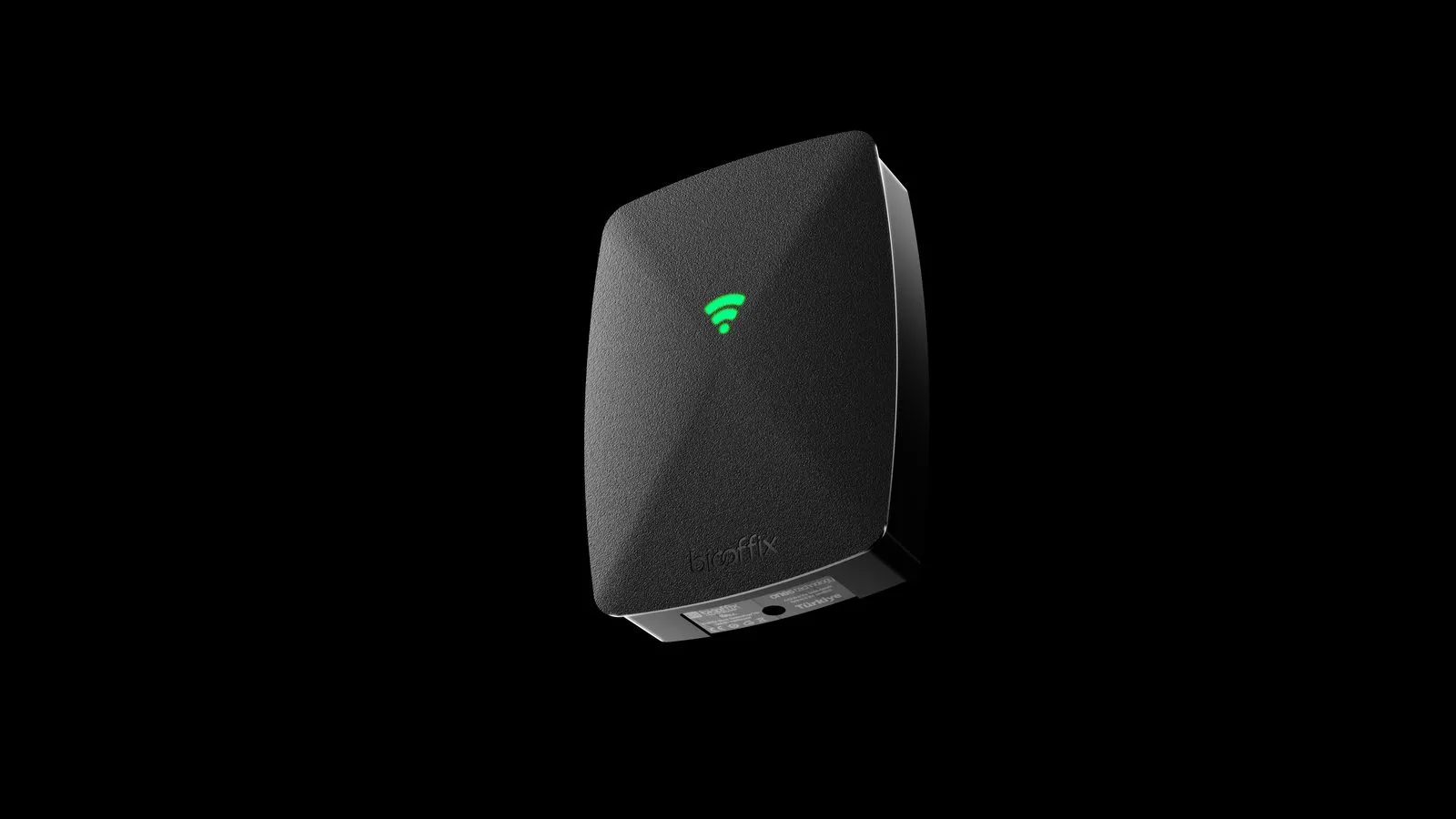
Authentik is an open-source identity provider for OIDC, SAML, LDAP and RADIUS. For MSPs running it themselves, a few hardening steps matter more than any single feature.

Sign every container image at build and verify it at deploy with Cosign, then keep credentials out of Git with External Secrets Operator — two controls MSPs can run as one repeatable baseline.
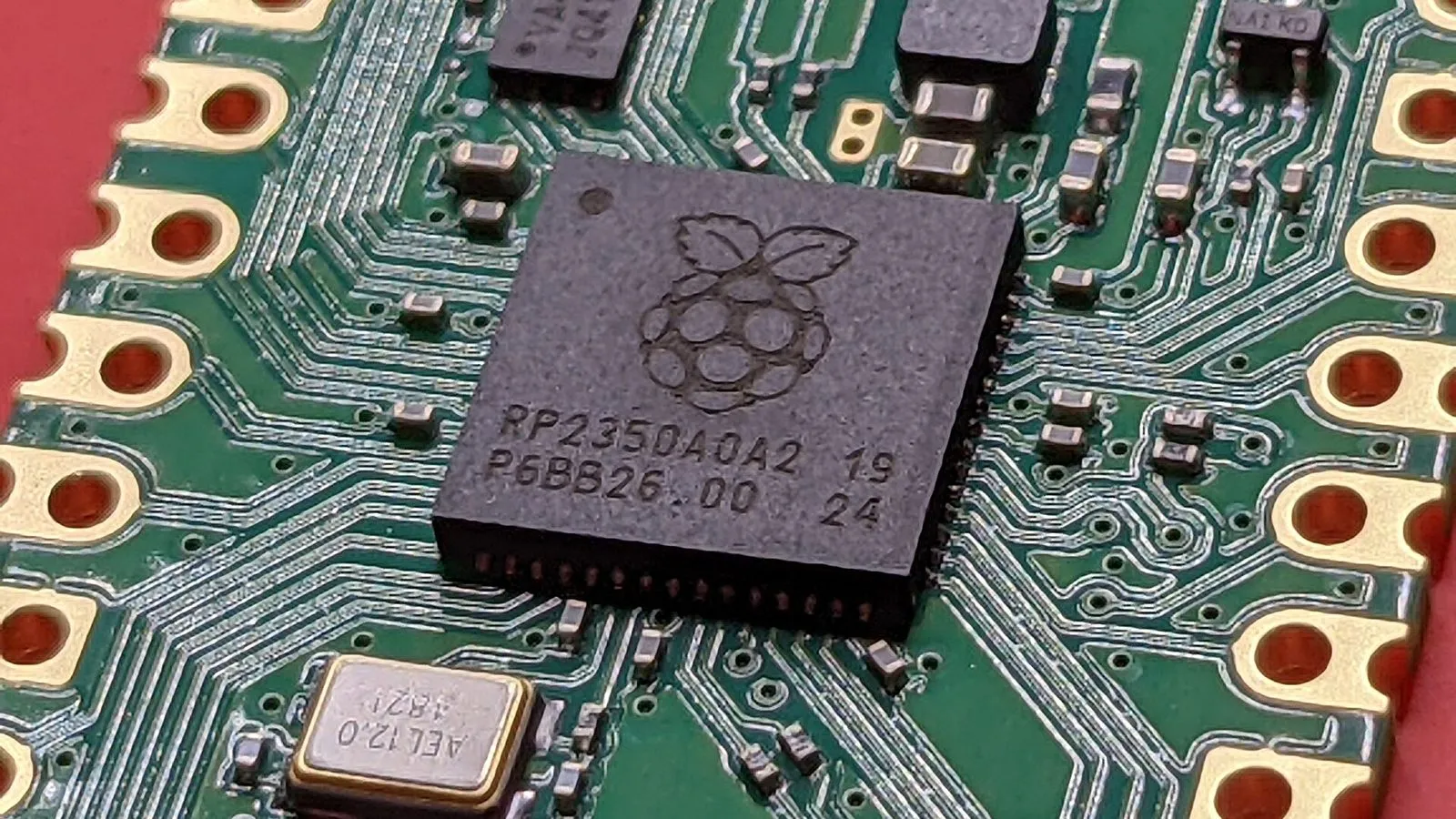
Rustinel, Fibratus and owLSM give MSPs free, self-hosted endpoint detection built on Sigma and YARA rules -- useful for labs, not a drop-in replacement for a commercial EDR.
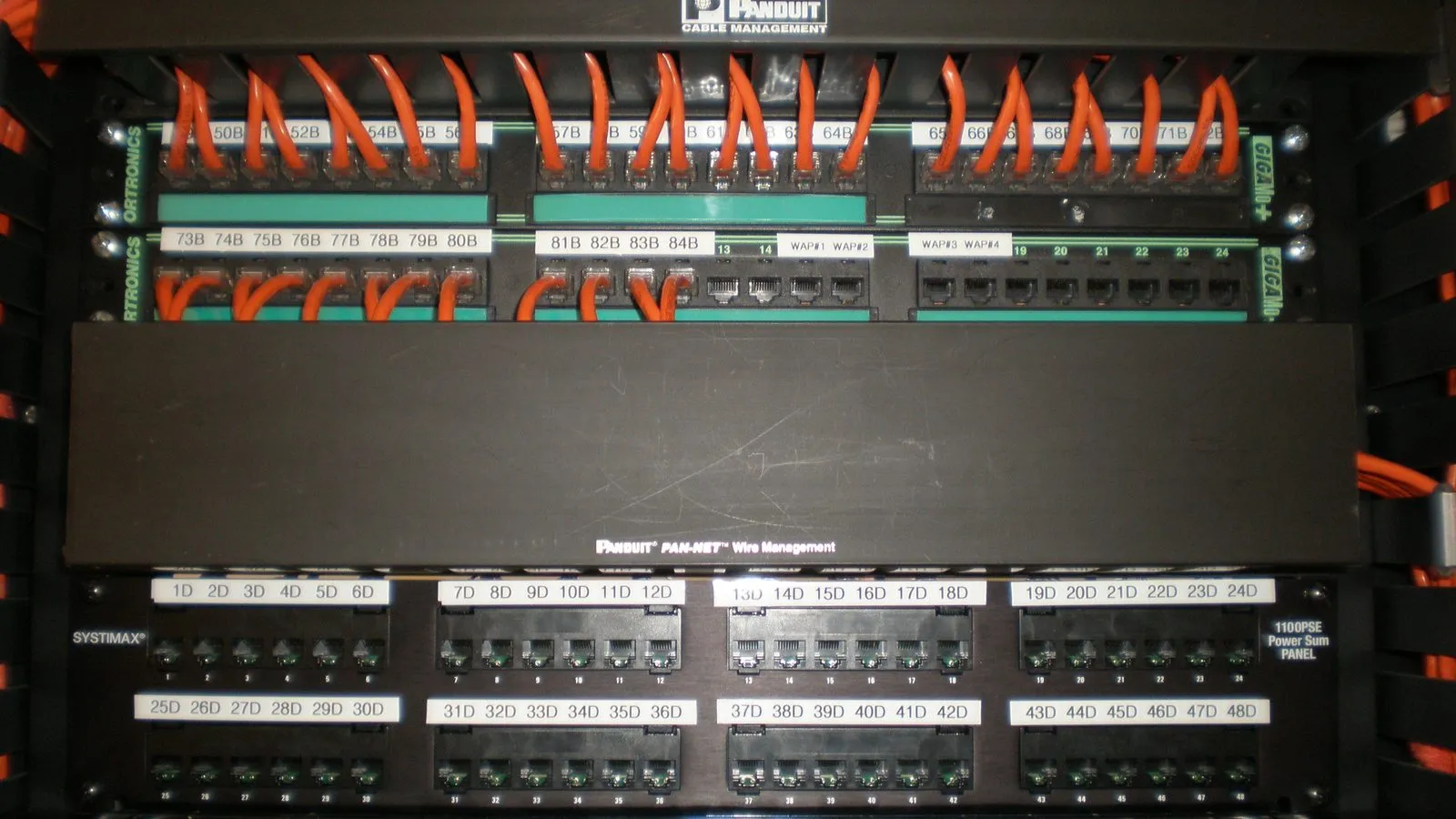
A practical split for EU MSPs deciding when to send bulk AI traffic through an open, observable gateway versus reserving closed, premium APIs for high-stakes work.

GPU inference claims mix a preview score, a cloud list price and a vendor blog into one number. Here is what to check before treating any $/token figure as fact.

Checkov is an open-source policy-as-code scanner that flags Terraform, Kubernetes and CloudFormation misconfigurations before they reach the cloud, in a distinct lane from CVE scanning.

Trivy, Aqua Security's open-source scanner, can gate MSP pipelines: scan every build, fail on high or critical findings, and ticket the rest before promotion.