





















01
Necessary Always on
Required for the site to work (login, preferences, security). Always on.
A practical guide for MSPs: tune Falco's Kubernetes runtime alerts and pair them with zizmor to catch risky GitHub Actions workflows before they run.
Managed Kubernetes fleets and the CI pipelines that ship code into them are two different attack surfaces, and MSPs increasingly need a tool for each. This guide covers Falco, a CNCF-graduated runtime engine that turns suspicious container behaviour into a tuned alert pipeline, and zizmor, a static analyzer that catches risky GitHub Actions configuration before a workflow ever runs.
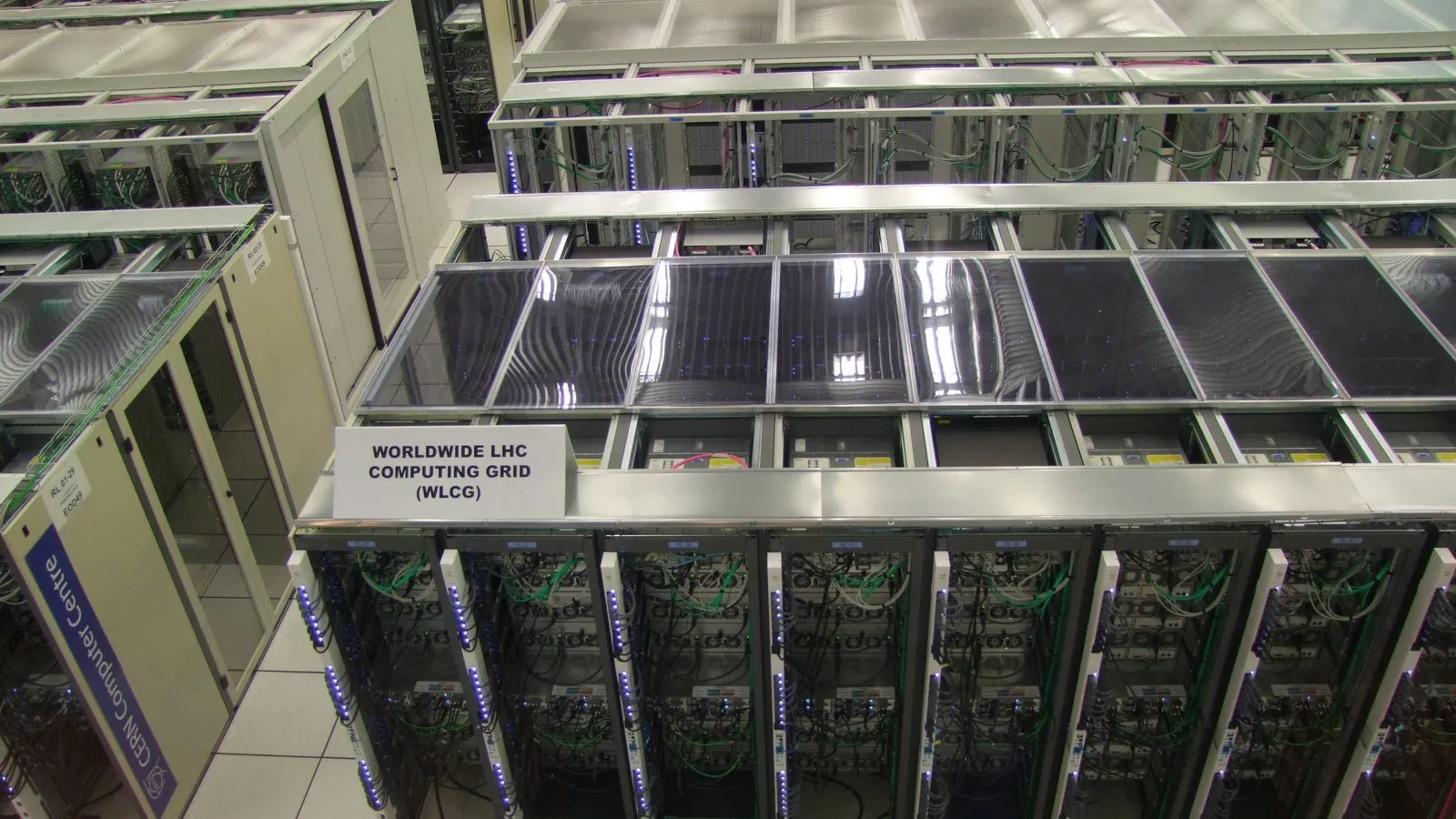
Falco was created by Sysdig and is now a graduated project of the Cloud Native Computing Foundation. It watches system calls through eBPF-based monitoring and flags process, file and network activity that looks wrong inside a running container. That makes it a way to catch an intrusion in progress, rather than finding it only during a post-incident review.
Not every signal Falco can generate is worth an on-call page. For MSPs running many tenants, the rules that matter most combine a low false-positive rate with a high cost if missed: an interactive shell spawned inside an application container that should never need one, a process reading from a sensitive mount path such as a host filesystem, and privilege or Linux capability changes inside a running pod. These three cover most of the scenarios where something is actively happening that operators care about.
A detection tool only helps if the alert reaches someone who can act on it. Falco events should carry enough context — cluster, namespace, tenant and pod identity — to route directly into an MSP's on-call or ITSM tooling, with a documented containment step before any alert gets closed. Tuning rules per customer baseline avoids alert fatigue: a shell that is normal in a CI runner namespace is not normal in a customer-facing web pod.
Falco is a detection layer, not a response system. It does not isolate a workload, roll back a deployment or rotate credentials on its own; those steps still need a playbook and a human or automated responder behind the alert. Treat it as the sensor, not the whole security program.
MSPs that need outside help building that playbook, or evidence of a tested detection-and-response process for NIS2, DORA or GDPR audits, can turn to Altovar's cybersecurity services, which cover penetration testing, vulnerability assessment and incident response.
Falco only sees a workload once it is already running. zizmor, a Rust-based static analyzer, reads GitHub Actions YAML files without executing them, looking for issues such as unpinned third-party actions, overly broad permissions, and patterns that can lead to cache poisoning. It can emit results in SARIF format, so findings show up directly in GitHub's code-scanning tab instead of a separate dashboard.
The current zizmor release, v1.30.1, follows v1.30.0's fixes for action-pin matching and a parser crash on deeply nested workflow expressions. On the runtime side, Falco 0.45.0 reached its final stable release on 21 September 2026 after a release-candidate cycle; teams still running the earlier 0.45.0-rc4 candidate should move to the stable build rather than staying on a release candidate in production.
permissions: down to what each job actually needs.Sources: Falco on GitHub, Falco documentation, Falco 0.45.0 release notes, zizmor documentation.