-
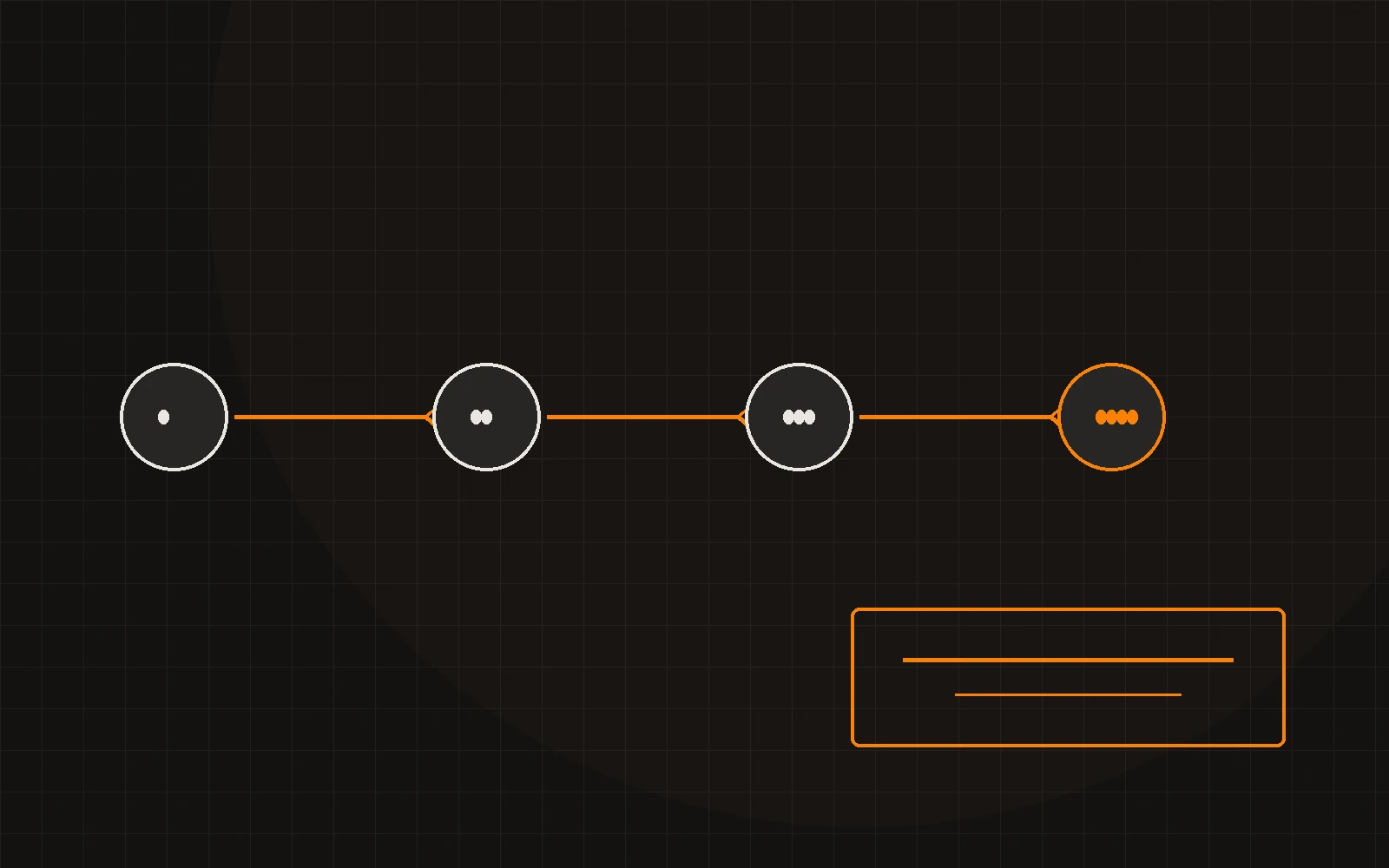
It picks up, and says what it is
Your number rings and TALON answers, introducing itself as an assistant. That disclosure is built into the product, not a setting you remember to switch on.
-
It checks before it promises
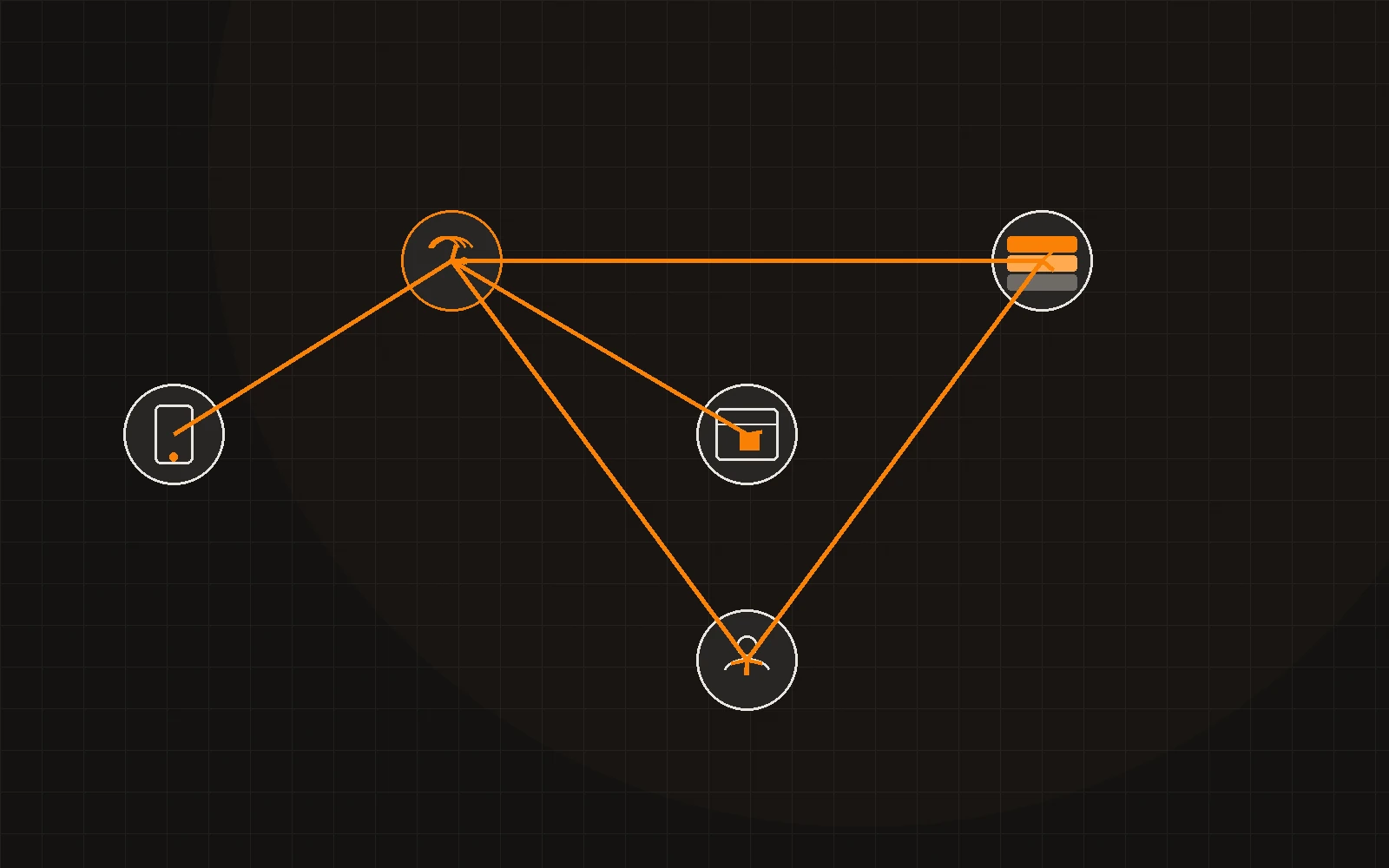
Availability comes from your calendar, covers and overlaps included. What it offers is what is actually free — and when it writes the booking, it checks once more inside the same transaction.
-
It confirms, and keeps confirming
The guest gets an email with a manage link at once, a reminder the day before, a text an hour before where SMS is on. Moving the booking is self-service; not showing up is recorded on its own.
-
When it shouldn’t decide, it doesn’t
Nothing in your data to answer with? It takes a message — transcribed, with an urgency level — instead of improvising. On the written channels every reply queues for your approval; on the phone it acts in real time and leaves you the full record.
The autonomy is yours to set: which actions are forbidden, which need your approval, which run on their own. Whatever you choose, every action is logged with its cost.